

NEED MONEY BEFORE PAYDAY? GET UP TO $500
Cash advance apps are often a lower-cost alternative to payday loans, particularly if they charge no interest and have minimal fees.
However, not every cash advance app is inexpensive. Some charge subscriptions, instant transfer fees or other costs that can add up.
The better option depends on how much you need, the total borrowing cost and whether you can comfortably repay it.
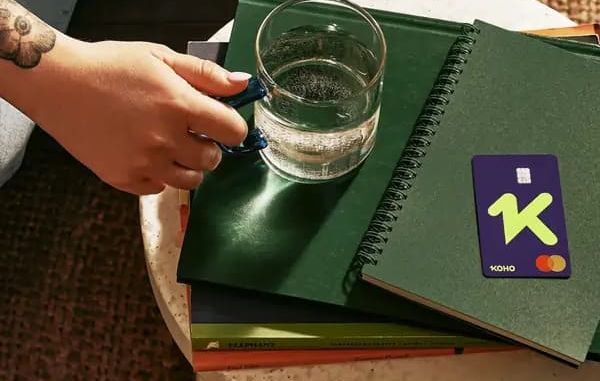
KOHO Cash Advance
KOHO Cover is not a traditional payday loan. It is a cash advance designed for Canadians who need a smaller amount of money to cover short-term expenses.
With KOHO Cash Advance, you can:
- Get up to $500 as an instant cash advance (amount depends on eligibility)
- Pay no interest on the advance
- Avoid a credit check
- Repay automatically once you add money or get paid
You subscribe to the Cover bundle for a low monthly fee, and in return you get the advance feature plus extras like a credit report, financial coaching and priority support.
What's the Difference Between Cash Advance Apps and Payday Loans?
Cash advance apps typically provide smaller amounts through a mobile app. Some use subscription fees instead of interest, while others charge for faster access to funds.
Payday loans are short term loans that generally require repayment around your next payday. They typically charge a fixed borrowing fee.
It's important to check the actual product rather than its name. A loan offered through an app can still be a payday loan.
Which Option Costs Less?
Cash advance apps can be less expensive, but only if their total fees are lower.
For example, a payday lender charging $14 for every $100 borrowed would charge $42 on a $300 loan. You would need to repay $342.
The Government of Canada identifies payday loans as a high cost borrowing option. The applicable maximum cost is generally $14 per $100 in provinces with payday loan regulations.
When comparing cash advance apps, check for:
- Monthly subscriptions
- Instant transfer fees
- Transaction fees
- Optional tips
- Late or failed payment fees
Which Is Easier to Get Approved For?
Both options may be accessible to people with limited or poor credit.
Some cash advance apps assess eligibility using account activity or other financial information rather than a traditional credit check.
Payday lenders commonly require proof of regular income, a bank account and a permanent address.
Approval requirements vary by provider. Neither option guarantees that every applicant will qualify.
How Does Repayment Work?
Many payday loans require repayment in full around your next payday. This can create problems if you need most of your paycheque for rent, groceries or other bills.
Cash advance apps may offer automatic repayment when your next deposit arrives or allow more flexible repayment arrangements.
Read the agreement carefully. An automatic withdrawal can still leave your account short of money for essential expenses.
What Are the Risks of Both Options?
The biggest risk is repeatedly borrowing to cover everyday expenses.
If you repay an advance and immediately need another one, you may be using part of every future paycheque to cover previous shortfalls.
Before borrowing, consider whether you could:
- Ask your employer for a pay advance
- Request an extension on a bill
- Use an existing lower-interest line of credit
- Access emergency savings
These options may help you avoid unnecessary borrowing costs.
Cash Advance Apps vs. Payday Loans: Which Should You Choose?
If you need a small amount of money for a temporary expense, compare cash advance apps with low fees and flexible repayment terms before considering a payday loan.
A payday loan may provide access to money, but its high fees and short repayment period can make it difficult to manage.
Whichever option you consider, calculate the total amount you will repay and make sure the repayment will not leave you needing to borrow again.

About the author
Quan works as a Junior SEO Specialist, helping websites grow through organic search. He loves the world of finance and investing. When he’s not working, he stays active at the gym, trains Muay Thai, plays soccer, and goes swimming.
Read more about this author