

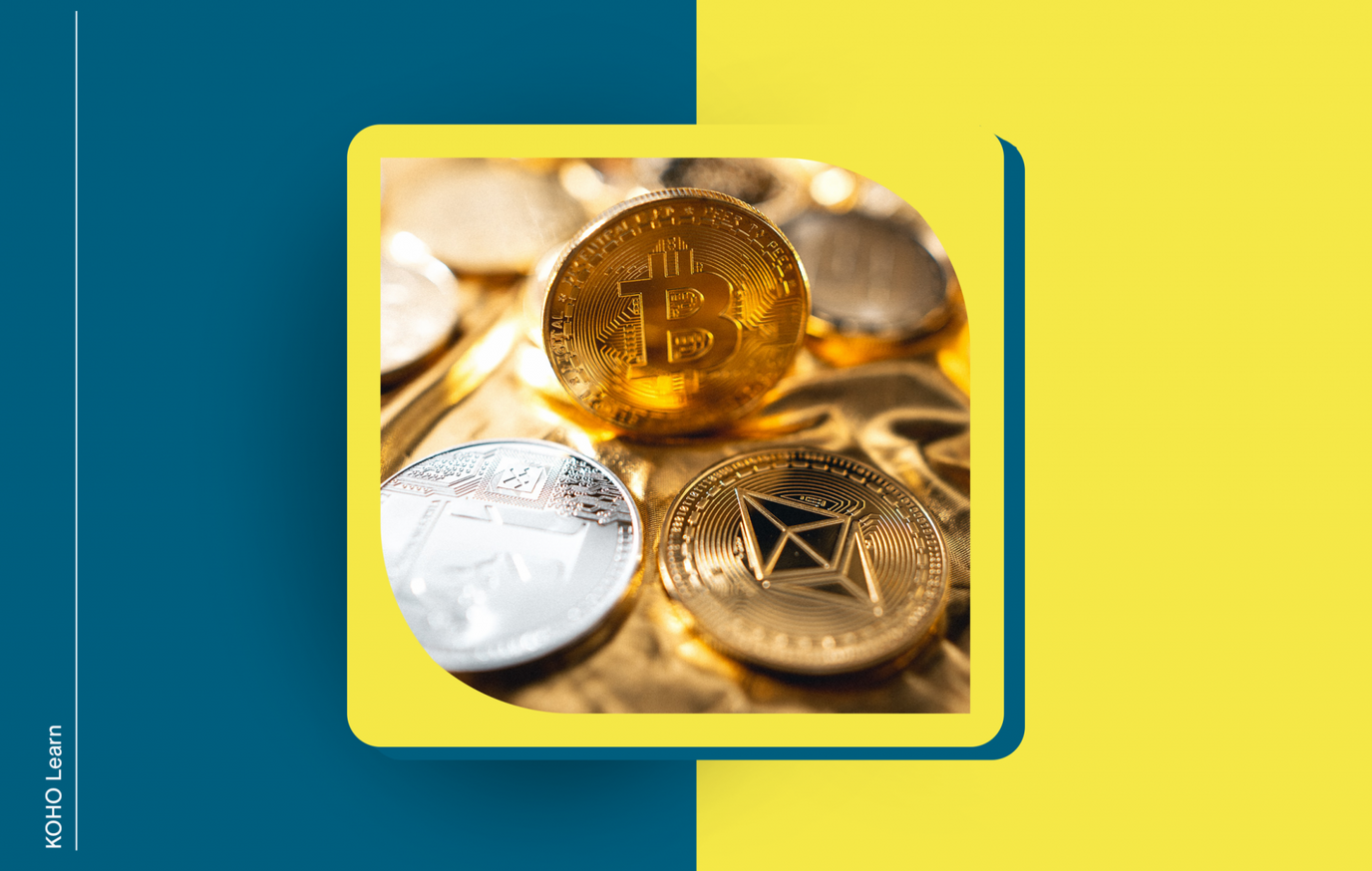
Cryptocurrency is not “magic internet money.” It is digital money and tech that comes with real uses, real limits, and real risks.
Many common crypto beliefs are either outdated or simply wrong.
Myth 1: “Crypto Is Illegal”
Reality: Crypto is legal in many countries. Rules vary by location. Some places restrict it more than others. Always follow local laws and tax rules.
Myth 2: “Crypto Is Anonymous”
Reality: Most crypto transactions are publicly visible on blockchains. Your name is not shown, but your wallet address is. If your address gets linked to you, your transactions can be traced.
Myth 3: “Crypto Has No Real Value”
Reality: People value crypto for different reasons, such as:
Sending value online without a bank approving each transfer
Using blockchain-based apps
Storing value (for some people, in some situations)
That said, value is not guaranteed. Prices can still drop.
Myth 4: “Crypto Is Only Used by Criminals”
Reality: Criminals can use many payment methods, including cash and bank transfers. Crypto is also used for normal things like investing, payments, and apps. Blockchains can make some crime easier to track because transactions are recorded.
Myth 5: “Crypto Is a Guaranteed Way to Get Rich”
Reality: There are no guaranteed returns in crypto. Prices can move fast in both directions. Anyone promising “safe profits” or “guaranteed gains” is a major red flag.
Myth 6: “All Cryptocurrencies Are the Same”
Reality: Cryptocurrencies can work very differently.
Examples:
Bitcoin is mainly used as a store of value and payment system.
Ethereum is used for apps and smart contracts.
Stablecoins are designed to stay near a set price, often tied to a currency like the US dollar.
Different coins have different risks.
Myth 7: “Stablecoins Never Move in Price”
Reality: Stablecoins aim to stay stable, but they can still fail or lose their peg. Risks include the issuer, reserves, and market stress. “Stable” does not mean “risk-free.”
Myth 8: “If I Send Crypto to the Wrong Address, I Can Undo It”
Reality: Many crypto transfers are hard to reverse.
That is why you should:
Copy and paste addresses carefully
Check the first and last few characters
Send a small test amount first (when practical)
Myth 9: “I Don’t Need to Worry About Security”
Reality: Security is a big part of crypto.
Common mistakes include:
Sharing a seed phrase
Clicking fake links
Trusting fake “support” accounts
Storing backups in unsafe places
Rule: Never share your seed phrase or private key, with anyone.
What to Remember
Crypto is a tool. It can be useful. It can also be risky. The smartest beginner move is to learn the basics, go slow, and focus on safety.

About the author
Quan works as a Junior SEO Specialist, helping websites grow through organic search. He loves the world of finance and investing. When he’s not working, he stays active at the gym, trains Muay Thai, plays soccer, and goes swimming.
Read more about this author