

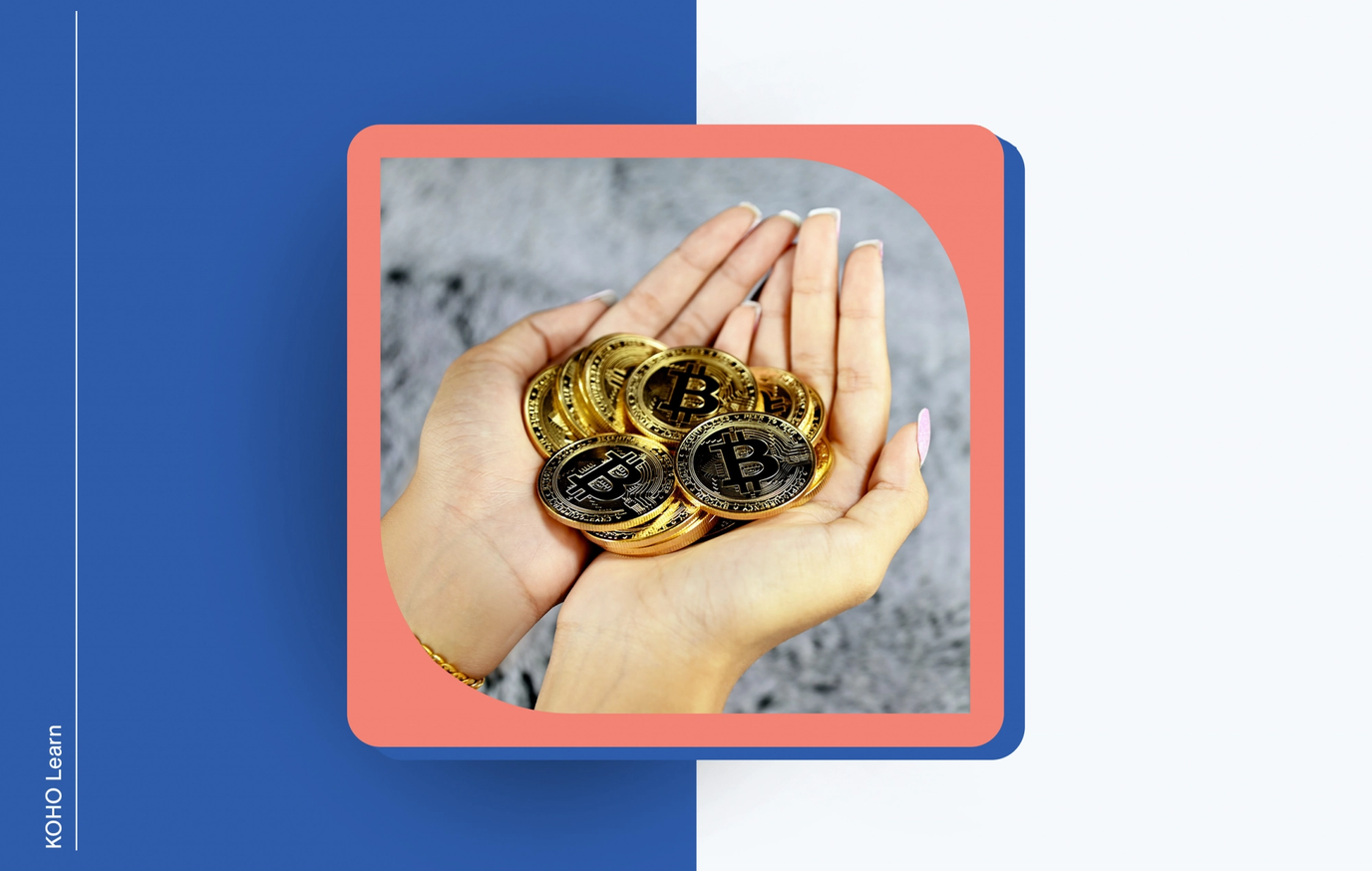
Cryptocurrency (or “crypto”) is a type of digital money you can send or receive online, without needing a bank to approve the payment.
It runs on a technology called a blockchain, which records transactions in a shared public system.
The Simple Idea
Crypto is like cash for the internet, but it is stored and moved digitally.
Instead of a bank keeping the “official” record, a network of computers helps keep the record.
How It Works in Plain Language
You own crypto in a digital wallet. A wallet is an app or device that stores the keys that control your crypto.
Transactions are recorded on a blockchain. Think of a blockchain as a shared ledger. It logs who sent what to whom.
The network checks transactions. Many computers work together to confirm that transactions are valid.
Common Types of Cryptocurrency
Bitcoin (BTC): The first and most well known crypto.
Ethereum (ETH): Popular for apps built on blockchain, not just payments.
Stablecoins: Crypto designed to stay close to the value of a currency like the US dollar.
Why People Use Crypto
Sending money: Some people use crypto to transfer value online.
Investing: Some buy crypto hoping it goes up in value.
Apps and services: Some crypto is used inside blockchain-based apps.
The Biggest Risks to Know
Prices can change fast. Crypto can go up or down a lot in a short time.
Scams are common. Fake giveaways, fake support, and “too good to be true” offers are everywhere.
If you lose access, you may not get it back. If you lose your wallet keys or send crypto to the wrong address, it can be difficult or impossible to recover.
Key Terms You’ll See Often
Blockchain: A shared record of transactions.
Wallet: Where you manage access to your crypto.
Private key / seed phrase: The secret information that proves the crypto is yours. Never share it.
Exchange: A place where people buy and sell crypto.
Gas fee / network fee: The cost to send a transaction on some networks.
A Safe Beginner Approach
If you are just learning:
Start with the basics and avoid rushing into purchases.
Never share your seed phrase with anyone.
Double check website links and account names.
Be cautious with promises of guaranteed returns.

About the author
Quan works as a Junior SEO Specialist, helping websites grow through organic search. He loves the world of finance and investing. When he’s not working, he stays active at the gym, trains Muay Thai, plays soccer, and goes swimming.
Read more about this author