

Reach your savings goals faster with one of the highest interest rates in Canada
Budgeting as a millennial starts with knowing how much money you earn, understanding where it goes and deciding what to prioritize.
With housing costs, debt payments and everyday expenses competing for your income, the goal is to create a realistic plan that covers your needs while leaving room for savings and personal spending.
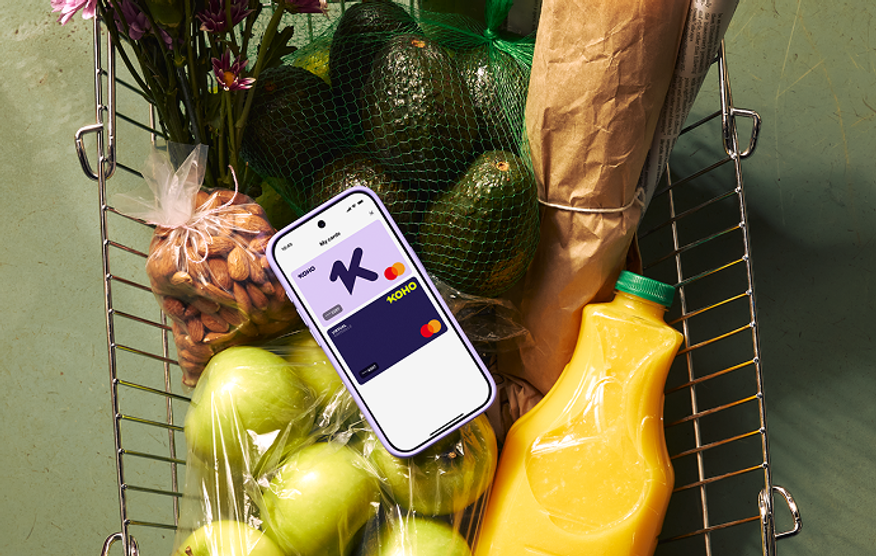
KOHO High Interest Savings
KOHO High Interest Savings helps Canadians grow their savings while keeping their money accessible.
With KOHO High Interest Savings, you can:
Grow your savings with up to 3.5% interest
Earn up to 2% cash back on eligible everyday purchases
Make unlimited transactions and free e-Transfers
Save without a minimum balance requirement
Step 1: Calculate Your Monthly Take-Home Income
Start with the amount deposited into your bank account after taxes and payroll deductions.
Include income from your regular job, freelance work or side hustles.
If your earnings fluctuate, build your budget around a conservative monthly estimate. You can put any additional income toward savings or debt repayment.
Using your take home pay instead of your gross salary prevents you from budgeting money you never actually receive.
Step 2: Track Your Spending
Review your bank and credit card transactions from the past two or three months.
Organize your spending into three categories:
Needs: Rent, groceries, utilities, transportation and minimum debt payments.
Wants: Restaurants, entertainment, shopping and subscriptions.
Financial goals: Emergency savings, additional debt payments, retirement and a future home purchase.
Look for expenses you've overlooked, such as annual subscriptions, delivery fees or purchases that add up throughout the month.
You don't need to eliminate everything you enjoy. The purpose is to understand which expenses are worth keeping.
Step 3: Choose a Budgeting Method
The 50/30/20 rule is a useful starting point:
50% of take-home income for needs.
30% for wants.
20% for savings and additional debt repayment.
However, this breakdown may not be realistic if rent or mortgage payments take up a significant portion of your income.
If necessities exceed 50%, adjust the percentages to reflect your actual situation. Cover essential bills first, set a manageable savings target and allocate the remaining amount to discretionary spending.
A budget you can maintain is more useful than one that looks ideal on paper.
Step 4: Build an Emergency Fund
An emergency fund helps you handle unexpected expenses without relying on credit cards or high-interest loans.
Start with a small, achievable target, such as $500 or $1,000.
Over time, work toward saving three to six months of essential living expenses. The amount you need depends on your employment stability, household responsibilities and financial obligations.
Keep this money in an accessible savings account rather than investments that could lose value when you need to withdraw.
Step 5: Make a Plan to Pay Off Debt
Student loans, credit cards and car payments can reduce the amount available for your other goals.
Always make your required minimum payments. If you have money left for additional repayment, consider one of two approaches:
Debt avalanche: Pay extra toward the debt with the highest interest rate first to reduce borrowing costs.
Debt snowball: Pay extra toward the smallest balance first to clear individual debts sooner.
Choose an approach that helps you stay consistent.
Be aware that government student loans may have different interest rates and repayment assistance options from private loans. Review the terms of each debt before deciding which to prioritize.
Step 6: Save for Your Future Goals
You may be balancing several goals at once, including a home down payment, retirement and travel.
Give each goal a target amount and timeline.
For Canadians, registered accounts can help you save tax-efficiently:
FHSA: Designed to help eligible first-time home buyers save for a qualifying home.
TFSA: Can be used for flexible savings and investing, with tax-free growth and withdrawals.
RRSP: Generally provides a tax deduction on contributions and is commonly used for retirement savings.
Choose the account and investments based on when you'll need the money. Short-term goals generally call for lower-risk, accessible savings.
Step 7: Automate Your Budget
Automating your finances can make budgeting easier to maintain.
Schedule transfers to savings on payday and set up automatic payments for recurring bills.
For variable expenses such as groceries, dining out and entertainment, establish a spending limit you can check throughout the month.
You can use a budgeting app, spreadsheet or your banking app. The best tool is whichever one you'll use consistently.
Step 8: Review Your Budget Monthly
Your budget should change as your life changes.
Review your spending at the end of each month and adjust for upcoming expenses, salary changes or new financial priorities.
If you consistently overspend in one category, determine whether your limit is unrealistic or whether you need to change your habits.
Budgeting isn't about restricting every purchase. It's about making sure your money covers what matters today while helping you prepare for what's next.

About the author
Quan works as a Junior SEO Specialist, helping websites grow through organic search. He loves the world of finance and investing. When he’s not working, he stays active at the gym, trains Muay Thai, plays soccer, and goes swimming.
Read more about this author