

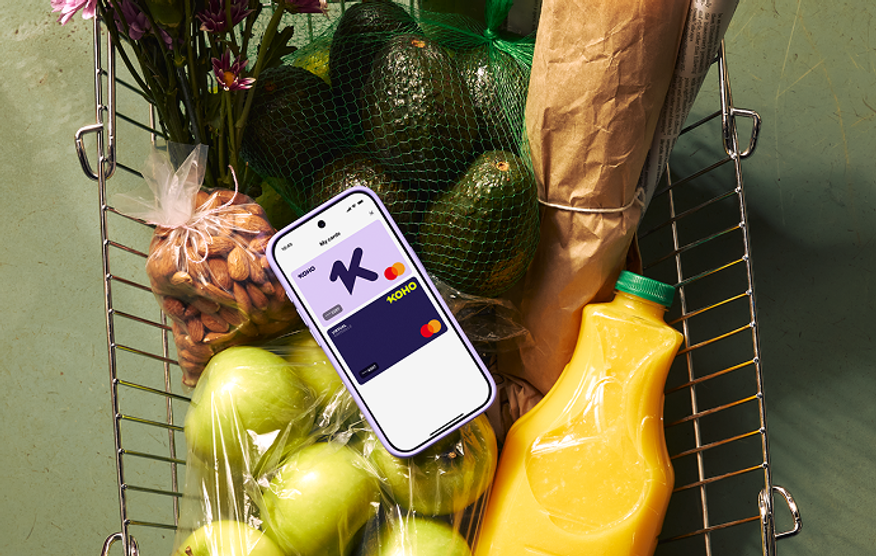
Earn up to 3.5% interest, 24/7.
Saving money is important because it gives you more control over unexpected expenses and future financial goals.
Even a small amount set aside regularly can help you avoid relying on credit when something goes wrong, while larger savings can help you prepare for things like a home, vacation, car or retirement.
KOHO High Interest Savings
It is a prepaid Mastercard, so you spend your own money while still earning high interest.
With KOHO High Interest Savings, you can:
- Grow your savings up to 3.5% interest
- Earn a 2% cash back rate on groceries, eating, drinking, and transportation and 0.5% cash back on everything else
- Unlimited transactions and free e-transfers
- No minimum balance required, ever
Why Is Saving Money Important?
Saving gives you a financial cushion between your regular income and expenses you didn't plan for.
Without savings, an unexpected bill may need to go on a credit card or another form of borrowing. Having money available can give you more options and reduce the financial impact of emergencies.
Saving Helps You Handle Emergencies
One of the biggest reasons to save is to prepare for costs you can't always predict, such as:
- Car repairs
- Home repairs
- Medical or dental expenses
- Losing income temporarily
- Unexpected travel
You don't need to build a large emergency fund overnight. Starting with a smaller goal, such as $500 or $1,000, can still give you some protection while you continue building it.
Saving Helps You Reach Bigger Goals
Savings can also make larger purchases more manageable.
You may want to save for:
- A down payment
- A vacation
- A new car
- Education
- A wedding
- Retirement
Setting money aside ahead of time can reduce how much you need to borrow when the time comes to pay for the goal.
Saving Can Reduce Your Reliance on Debt
When you have money available for unexpected expenses, you're less likely to need to borrow every time something comes up.
That can be especially important with high interest debt. Paying for a $500 emergency from savings is very different from putting it on a credit card and carrying the balance for months.
How Much Should You Save?
There isn't one savings amount that works for everyone.
A useful long-term goal for an emergency fund is around three to six months of regular expenses, but that doesn't need to be your starting point.
If you're just beginning, focus on saving an amount you can consistently afford from each paycheque. Even $20 or $50 at a time can add up when you make it a regular habit.
Is It Ever Too Late to Start Saving?
No. Starting earlier gives your money more time to grow, but starting now is still better than waiting for the perfect time.
The most important part is consistency. Saving a manageable amount regularly can gradually give you more financial security, flexibility and options when you need them.

About the author
Quan works as a Junior SEO Specialist, helping websites grow through organic search. He loves the world of finance and investing. When he’s not working, he stays active at the gym, trains Muay Thai, plays soccer, and goes swimming.
Read more about this author