

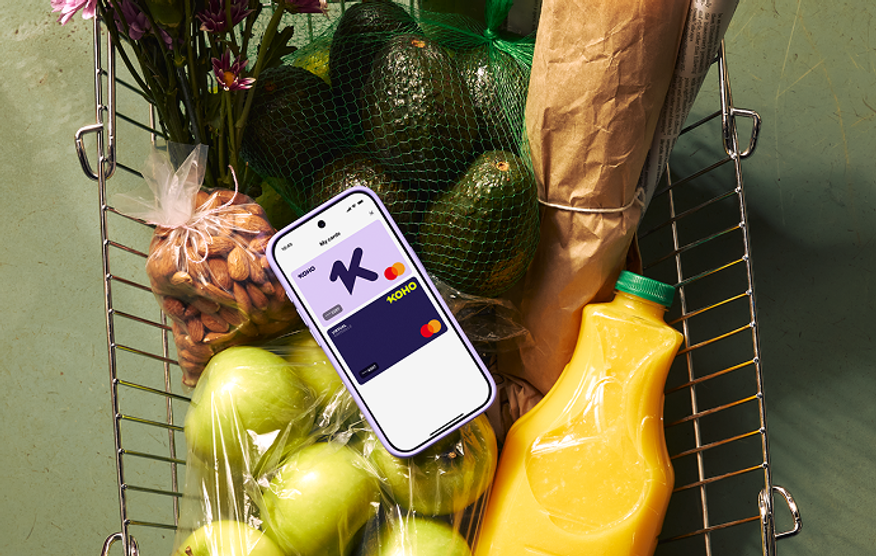
Earn up to 3.5% interest, 24/7.
A good savings target is enough to cover three to six months of essential expenses, plus any money you're setting aside for short-term goals.
The exact amount depends on your income, monthly costs, job stability and how much financial flexibility you want.
KOHO High Interest Savings
It is a prepaid Mastercard, so you spend your own money while still earning high interest.
With KOHO High Interest Savings, you can:
- Grow your savings up to 3.5% interest
- Earn a 2% cash back rate on groceries, eating, drinking, and transportation and 0.5% cash back on everything else
- Unlimited transactions and free e-transfers
- No minimum balance required, ever
How Much Should You Keep in an Emergency Fund?
A common goal is three to six months of essential expenses.
For example, if your essential monthly expenses are $3,000, that could mean keeping roughly:
- 3 months: $9,000
- 6 months: $18,000
Your essential expenses could include things like rent or mortgage payments, groceries, utilities, transportation, insurance and minimum debt payments.
You don't need to reach that amount immediately. Building your savings gradually is usually much more manageable.
Do You Need More Than Six Months of Expenses?
Possibly.
Keeping a larger emergency fund may make sense if:
- Your income changes from month to month
- You are self-employed
- You rely on one household income
- Your job is less predictable
- You have dependants
- You expect a large expense in the near future
Someone with very stable income and low monthly expenses may feel comfortable closer to three months, while someone with less predictable income may prefer a larger cushion.
Should All Your Money Stay in Savings?
Not necessarily.
Savings accounts are generally best for money you may need soon, including:
- Emergency funds
- Upcoming bills
- Vacations
- Home repairs
- A car purchase
- Other short-term goals
Once you have enough accessible savings for emergencies and near-term expenses, money meant for longer-term goals may be better suited to other options depending on your goals and comfort with risk.
Is It Possible to Have Too Much Money in Savings?
Yes, depending on what the money is for.
Keeping a large amount of money in a savings account can give you flexibility, but if you don't expect to need it for many years, you may be giving up opportunities for greater long-term growth elsewhere.
That doesn't mean you should invest your emergency fund. The key is separating money you may need soon from money you can leave untouched for a longer period.
How Do You Know Your Savings Amount Is Enough?
A useful way to think about it is:
- Calculate your essential monthly expenses.
- Multiply that amount by three to six months.
- Add any money you expect to need for short-term goals.
- Adjust the total based on how stable your income and expenses are.
There is no perfect savings number for everyone. The right amount is enough to handle unexpected expenses without putting your everyday finances under unnecessary pressure.

About the author
Quan works as a Junior SEO Specialist, helping websites grow through organic search. He loves the world of finance and investing. When he’s not working, he stays active at the gym, trains Muay Thai, plays soccer, and goes swimming.
Read more about this author