

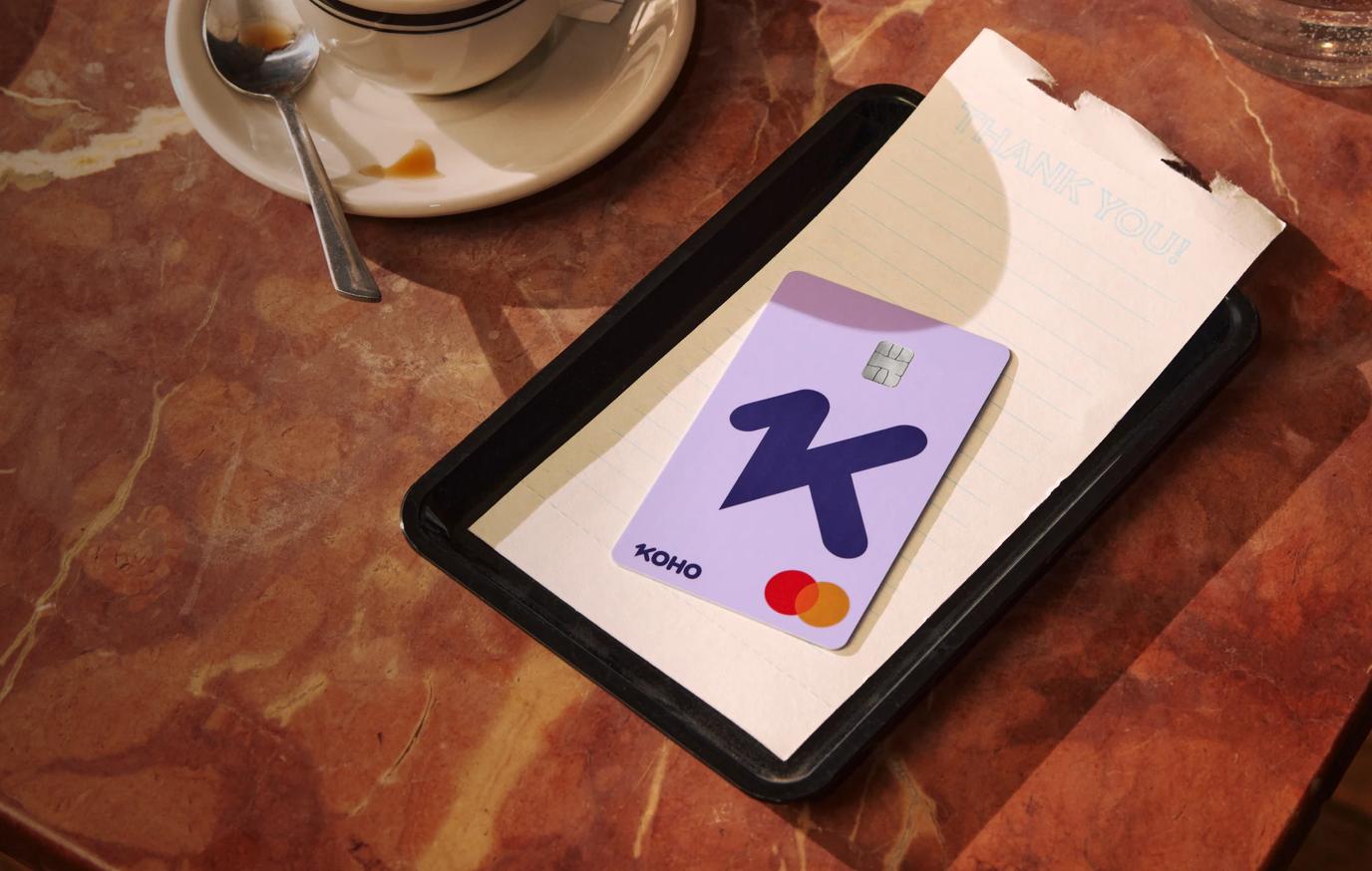
Earn up to 3.5% interest on every dollar of your savings with KOHO
Inflation is the increase in the average price of goods and services over time. When inflation rises, each dollar buys less than it did before.
For example, if something costs $100 and its price rises by 3%, it would cost $103.
KOHO High Interest Savings
It is a prepaid Mastercard, so you spend your own money while still earning high interest.
With KOHO High Interest Savings, you can:
Grow your savings up to 3.5% interest
Earn a 2% cash back rate on groceries, eating, drinking, and transportation and 0.5% cash back on everything else
Unlimited transactions and free e-transfers
No minimum balance required, ever
How Does Inflation Work?
Inflation happens when prices across the economy increase.
It does not mean every product becomes more expensive at the same rate. Grocery prices might rise quickly while electronics stay the same or become cheaper.
Inflation looks at the overall change in consumer prices.
What Causes Inflation?
Several things can push prices higher.
Higher demand
If consumers want more goods and services than businesses can supply, companies may raise prices.
Higher business costs
Businesses may face higher costs for:
Labour
Fuel
Materials
Rent
Transportation
Some of those costs can be passed on to customers.
Supply shortages
A shortage of products or raw materials can push prices higher when demand remains strong.
Currency changes
A weaker Canadian dollar can make imported goods more expensive, which can contribute to higher prices in Canada.
How Is Inflation Measured in Canada?
Statistics Canada measures inflation primarily using the Consumer Price Index, or CPI.
The CPI tracks the changing cost of a basket of goods and services Canadians commonly purchase, including:
Food
Shelter
Transportation
Clothing
Household expenses
Recreation
The inflation rate is commonly expressed as the percentage change in the CPI compared with the same period a year earlier.
How Does Inflation Affect Your Money?
Inflation reduces purchasing power.
If your income stays the same while prices rise, you can afford less with the same amount of money.
It can affect everyday expenses such as:
Groceries
Rent
Gas
Utilities
Travel
Insurance
How Does Inflation Affect Savings?
Inflation matters because your savings need to grow fast enough to maintain their purchasing power.
If your savings earn 1% interest while inflation is 3%, your balance may still increase, but the money is losing purchasing power in real terms.
This is one reason the interest rate on a savings account matters.
How Does Inflation Affect Borrowing?
High inflation can lead central banks to raise interest rates.
That can make borrowing more expensive through:
Mortgages
Lines of credit
Personal loans
Variable-rate debt
At the same time, higher rates can improve the returns available on some savings products.
Is Inflation Always Bad?
No.
Low and stable inflation is considered normal in a functioning economy.
The Bank of Canada aims to keep inflation around 2%, within a target range of 1% to 3%.
The bigger problem is inflation that rises quickly or becomes unpredictable because it makes budgeting and financial planning more difficult.
What Happens When Inflation Goes Down?
Lower inflation does not usually mean prices are falling.
It means prices are increasing more slowly.
For example, if inflation falls from 5% to 2%, prices are still rising. They are simply rising at a slower rate.
A broad decline in prices is called deflation.
Why Does Inflation Matter?
Inflation affects the real value of your income, savings and debt.
Understanding it can help you make better decisions about:
Saving
Borrowing
Budgeting
Investing
Negotiating wages
The key idea is simple: inflation measures how quickly prices are rising and therefore how quickly the purchasing power of your money is changing.

About the author
Quan works as a Junior SEO Specialist, helping websites grow through organic search. He loves the world of finance and investing. When he’s not working, he stays active at the gym, trains Muay Thai, plays soccer, and goes swimming.
Read more about this author