

Earn up to 3.5% interest, 24/7.
The best type of savings depends on what you're saving for.
A high interest savings account can be a good choice for emergency funds and short-term goals because your money stays accessible while earning interest, while options such as GICs may suit money you won't need for a set period of time.
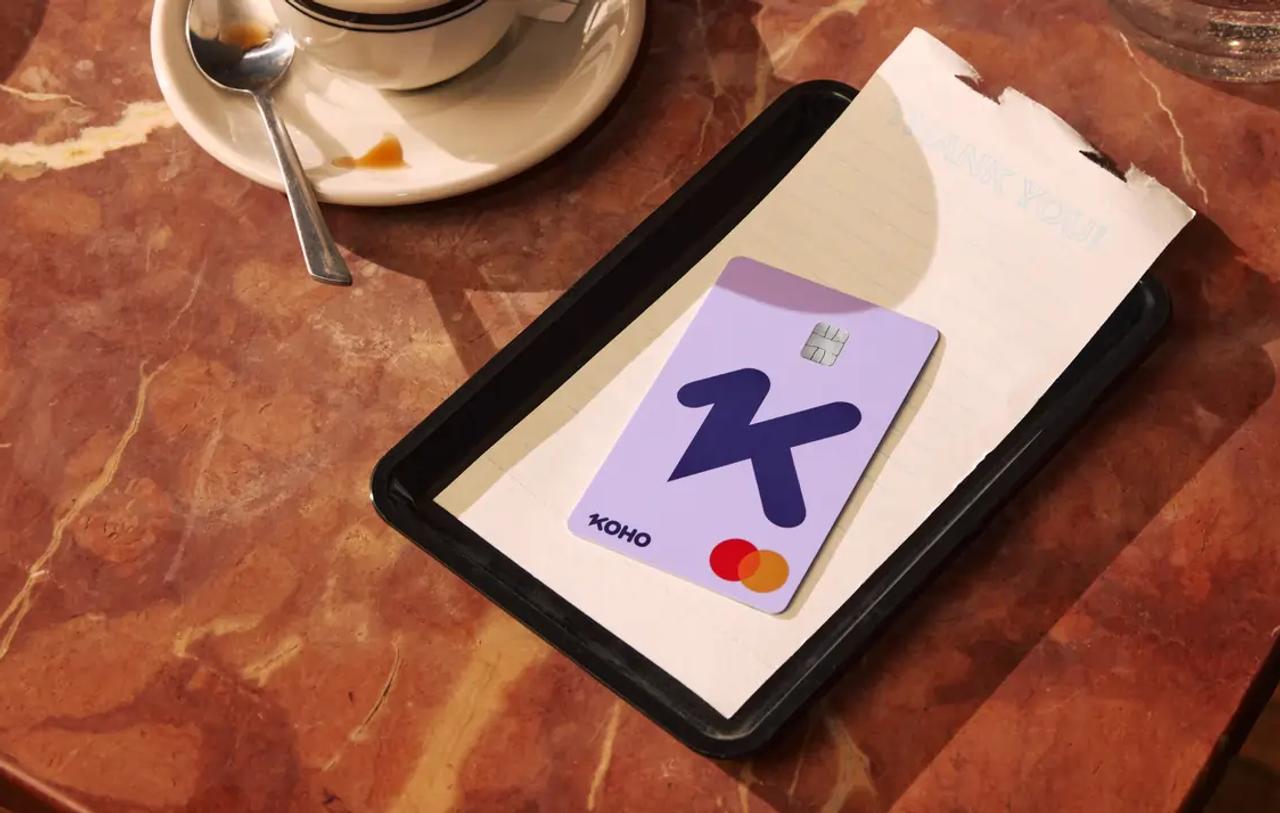
KOHO High Interest Savings
It is a prepaid Mastercard, so you spend your own money while still earning high interest.
With KOHO High Interest Savings, you can:
- Grow your savings up to 3.5% interest
- Earn a 2% cash back rate on groceries, eating, drinking, and transportation and 0.5% cash back on everything else
- Unlimited transactions and free e-transfers
- No minimum balance required, ever
What Are the Main Types of Savings?
There isn't one savings option that is best for every situation. The right choice depends on how soon you'll need the money and how much access you want to it.
Common options include:
- Regular savings accounts
- High interest savings accounts
- Guaranteed investment certificates (GICs)
- Tax Free Savings Accounts (TFSAs)
Each serves a slightly different purpose.
High Interest Savings Accounts
A high interest savings account can make sense when you want your money to remain accessible while earning more interest than a typical everyday savings account.
They can be particularly useful for:
- Emergency funds
- Vacations
- Large purchases
- Short-term savings goals
- Money you may need unexpectedly
Interest rates can change, so it's worth checking whether an advertised rate is ongoing or promotional.
Regular Savings Accounts
A standard savings account can be useful for keeping money separate from your everyday spending.
However, the interest rate may be lower than what you'd receive from a high interest savings account, so it may be worth comparing your options if you're keeping a larger balance.
GICs
A Guaranteed Investment Certificate (GIC) allows you to deposit money for a specific period in exchange for a set or variable return, depending on the product.
GICs can make sense when you know you won't need the money for a while and want more certainty around your return.
The trade off is accessibility. Some GICs lock your money in until the end of the term or charge restrictions for withdrawing early.
What About a TFSA?
A TFSA is an account type, not a specific savings product.
Depending on the financial institution, a TFSA can hold cash savings, GICs or investments. Eligible growth and interest earned inside a TFSA can generally be tax-free.
That means you could potentially hold a high-interest savings account within a TFSA if the provider offers one and you have enough contribution room.
Which Savings Option Is Best for an Emergency Fund?
For an emergency fund, accessibility is usually more important than chasing the highest possible return.
A high interest savings account can work well because you can keep the money separate from everyday spending while still having access to it when an unexpected expense comes up.
Locking all of your emergency savings into a non-redeemable GIC may be less practical if you can't access the money when you need it.
How Do You Choose the Best Savings Option?
Consider three questions:
- When will I need the money?
- How quickly do I need to access it?
- How much interest can I earn without taking unnecessary risk?
For short-term savings and emergency money, a high interest savings account is often one of the simplest options. For money you know you won't need for a longer period, a GIC or other longer-term option may be worth considering.
The best savings account isn't necessarily the one with the highest advertised rate. It's the one that gives you the right balance of interest, accessibility and flexibility for your goal.

About the author
Quan works as a Junior SEO Specialist, helping websites grow through organic search. He loves the world of finance and investing. When he’s not working, he stays active at the gym, trains Muay Thai, plays soccer, and goes swimming.
Read more about this author