

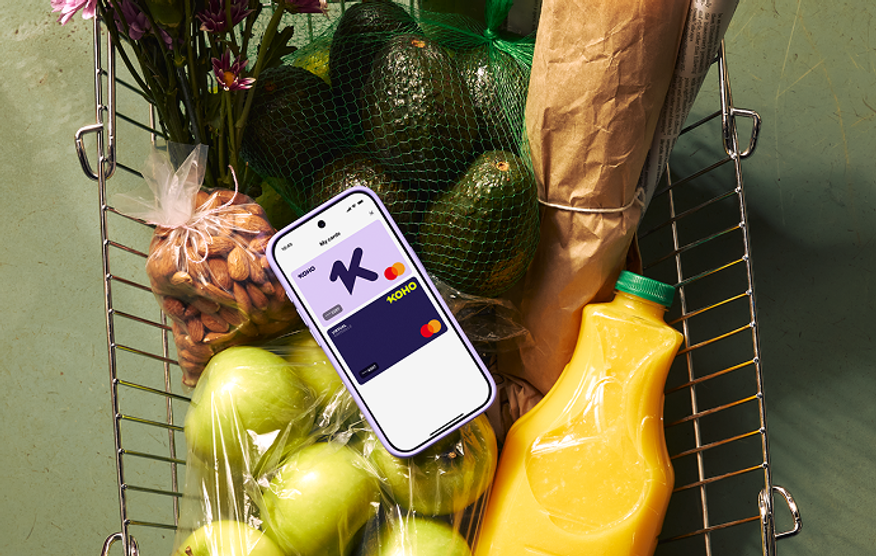
Earn up to 3.5% interest, 24/7.
The 30 day rule is a simple way to reduce impulse spending: when you want to buy something you don't immediately need, wait 30 days before purchasing it.
If you still want it after the 30 days and it fits your budget, you can buy it. If the urge disappears, you keep the money instead.
KOHO High Interest Savings
It is a prepaid Mastercard, so you spend your own money while still earning high interest.
With KOHO High Interest Savings, you can:
- Grow your savings up to 3.5% interest
- Earn a 2% cash back rate on groceries, eating, drinking, and transportation and 0.5% cash back on everything else
- Unlimited transactions and free e-transfers
- No minimum balance required, ever
How Does the 30 Day Rule Work?
The rule is designed for non-essential purchases, such as clothing, electronics, home decor or other things you may be tempted to buy in the moment.
When you see something you want:
- Write down the item and its price.
- Wait 30 days without buying it.
- Revisit the purchase after the 30 days.
- Decide whether you still want it and whether it fits your budget.
The waiting period creates some distance between wanting something and actually spending money on it.
Why Can the 30 Day Rule Help You Save?
Impulse purchases often feel more important in the moment than they do a few days or weeks later.
Waiting gives you time to ask yourself whether the purchase is something you genuinely value or simply something that caught your attention.
For example, if you were about to spend $150 on a pair of shoes but decide you no longer want them after 30 days, that's $150 you can keep in your savings instead.
Does It Have to Be Exactly 30 Days?
No. Thirty days is simply a useful guideline.
For smaller purchases, you could use a shorter waiting period:
- 24 hours for small purchases
- 7 days for medium-sized purchases
- 30 days for larger non-essential purchases
The more expensive the purchase, the more time you may want to give yourself before deciding.
What Should You Do With the Money You Don't Spend?
If you decide not to make the purchase, consider moving that amount into savings.
If you skip a $100 purchase, for example, transferring that $100 into your savings account makes the benefit of the 30 day rule more tangible instead of allowing the money to get spent somewhere else.
The 30 day rule won't prevent every unnecessary purchase, but it can make you more intentional about where your money goes and help turn purchases you skip into actual savings.

About the author
Quan works as a Junior SEO Specialist, helping websites grow through organic search. He loves the world of finance and investing. When he’s not working, he stays active at the gym, trains Muay Thai, plays soccer, and goes swimming.
Read more about this author