

NEED MONEY BEFORE PAYDAY? GET UP TO $500
A cash advance does not automatically hurt your credit score. However, it can indirectly lower your score if it increases your credit card balance, pushes you close to your limit or leads to a missed payment.
Credit reports generally contain account level information such as how much you owe, your credit limit and whether you make payments on time. They do not typically identify an individual withdrawal as a negative credit event. This means the cash advance itself is usually less important than how it affects the balance and repayment history reported on your account.
Cash advances can also become expensive quickly because interest usually begins immediately and may be charged at a higher rate than regular purchases. The added cost can make the balance more difficult to repay.
KOHO
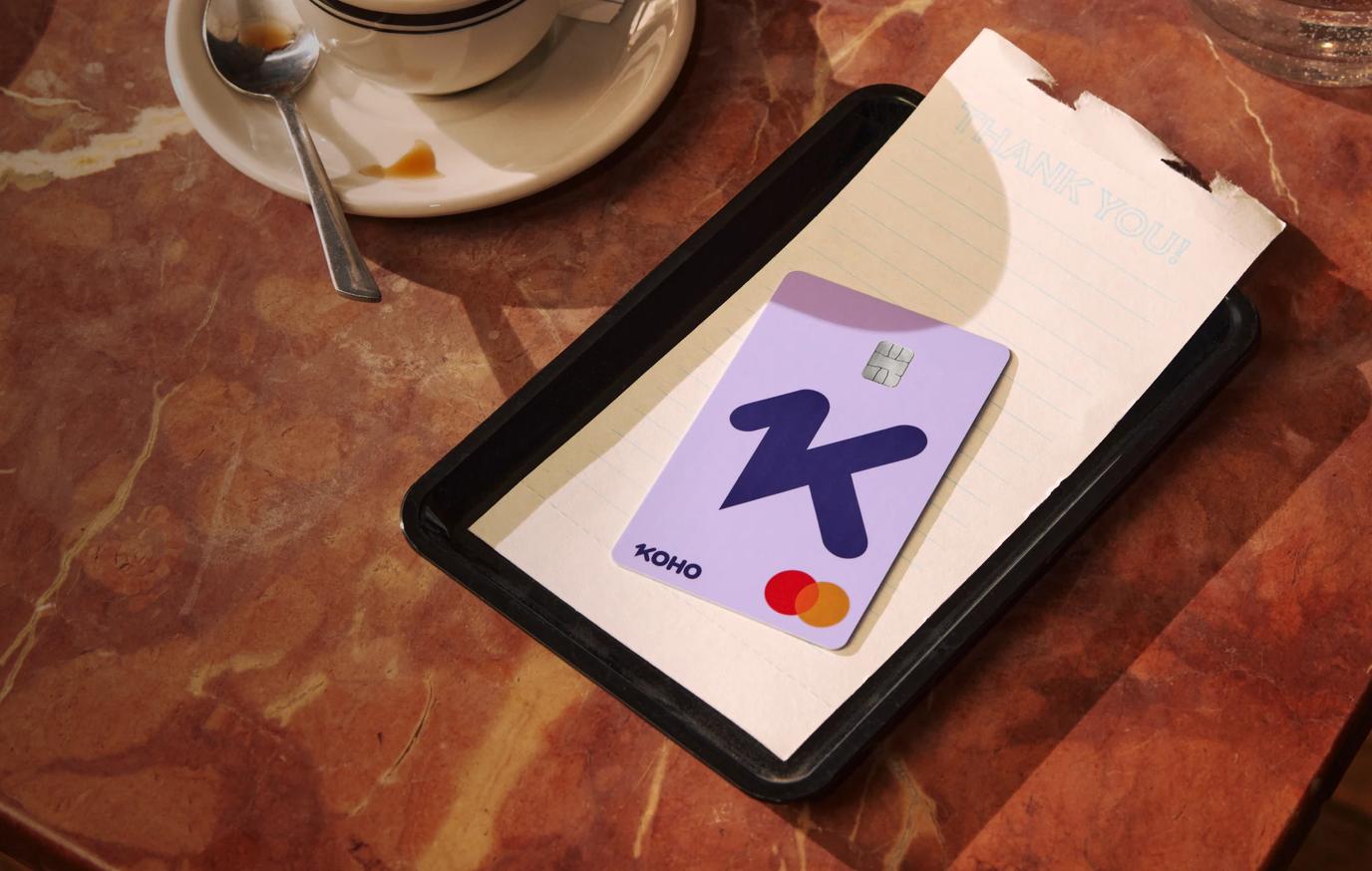
With KOHO Cover, you can:
- Get up to $500 as an instant cash advance (amount depends on eligibility)
- Pay no interest on the advance
- Avoid a credit check
- Repay automatically once you add money or get paid
You subscribe to the Cover bundle for a low monthly fee, and in return you get the advance feature plus extras like a credit report, financial coaching, and priority support.
How Can a Cash Advance Affect Your Credit Score?
A cash advance can affect several parts of your credit profile, even if the transaction is not separately marked as a cash advance on your report.
It Can Increase Your Credit Utilization
Credit utilization measures how much of your available revolving credit you are using.
Suppose you have a credit card with a $2,000 limit and a balance of $400. Your utilization on that card is 20%. If you take a $1,000 cash advance, your balance could increase to at least $1,400 before interest and fees, raising your utilization to 70%.
The Financial Consumer Agency of Canada recommends trying to use less than 30% of your total available credit. A balance that is close to your limit can make you appear more dependent on borrowed money and may lower your score.
Thirty percent is a general guideline rather than a point at which your score automatically rises or falls. Using less of your available credit is generally better.
It Can Push You Over Your Credit Limit
A cash advance fee may be added to your card balance along with the amount you withdraw.
If you do not leave enough available room for the fee and interest, the transaction could bring your account close to or above its limit. Going over your limit may appear on your credit report and can signal that you are having difficulty managing the account.
Your card issuer may also decline a cash advance that would exceed your available cash advance limit.
A Missed Payment Can Damage Your Payment History
Taking a cash advance does not excuse you from making the required monthly credit card payment.
If the increased balance makes the payment unaffordable and you miss the due date, the late payment may damage your credit. Payment history is one of the most important factors affecting your score.
Missing a payment may also cause:
- Late fees
- A higher interest rate
- Loss of a promotional rate
- Cancellation of the credit card
- Further damage if the account becomes increasingly overdue
Always make at least the required minimum payment by the due date. Paying more than the minimum will reduce the time and interest required to eliminate the balance.
An Unpaid Advance Could Enter Collections
If you stop making payments and the account remains overdue, the lender may eventually send the debt to a collection agency.
Collections can seriously damage your credit profile and remain on your credit report for years. Credit scores may consider whether your debts have been sent to collections, along with how much you owe and whether you have missed payments.
Paying a collection does not normally erase the previous missed payments immediately. The account may instead be updated to show that it has been paid or settled.
Does a Credit Card Cash Advance Require a Credit Check?
Taking a cash advance from a credit card you already have does not normally require a new credit application. You are accessing part of an existing credit limit rather than applying for a new account.
Therefore, the withdrawal itself would not usually create a new hard inquiry.
However, applying for a new credit card, cash advance loan or line of credit may result in a lender checking your credit. Several hard inquiries within a short period may lower your score, particularly when you have a short credit history.
Before applying for an online cash advance, review whether the provider will perform a hard or soft credit check.
Do Online Cash Advances Affect Your Credit?
It depends on how the provider structures and reports the product.
An online cash advance may be offered as:
- A short-term loan
- A line of credit
- An advance against expected income
- A subscription-based service
- A payday loan
- A feature connected to an existing financial account
Some providers report payments and balances to Equifax, TransUnion or both. Others do not regularly report the account.
Before accepting an advance, ask:
- Does the provider check your credit?
- Is it a hard or soft inquiry?
- Will the account appear on your credit report?
- Are on-time payments reported?
- Are missed payments reported?
- Could unpaid amounts be sent to collections?
If the provider does not report regular payments, repaying the advance on time may not help build your credit. However, an unpaid balance could still affect your credit if the debt is sent to collections.
Do Payday Cash Advances Hurt Your Credit?
A payday loan or similar short-term advance may not immediately appear on your credit report if the lender does not report routine account activity.
However, it could hurt your credit if:
- The application creates a hard inquiry
- The lender reports the loan
- You miss the repayment date
- The debt is sent to collections
- You use other credit to repay the advance
- Repeated borrowing causes you to miss payments elsewhere
Payday loans are also an expensive form of borrowing. High fees and short repayment periods can make it difficult to repay the loan while still covering rent, food, utilities and other obligations.
The indirect effect may therefore be more serious than the initial transaction. A payday advance that forces you to miss another bill can damage the payment history on an otherwise healthy credit account.
How Much Can a Cash Advance Lower Your Credit Score?
There is no standard number of points that a cash advance will remove from your credit score.
The effect depends on factors such as:
- The size of the advance
- Your current card balance
- Your total available credit
- Whether you exceed a limit
- Whether you make the payment on time
- Other debts on your report
- Recent applications for credit
- The scoring model being used
A $100 advance may have little effect on a card with a large available limit. The same advance could have a more noticeable effect on a card with only $150 of available credit remaining.
Credit scores are snapshots based on the information in your credit report at a particular time. Different lenders may also use different scoring models, so there is no reliable way to predict an exact change.
How Long Does a Cash Advance Affect Your Credit?
A cash advance can affect your credit utilization for as long as the increased balance remains on your credit report.
When you repay the advance and the lender reports a lower balance, your utilization may decrease. Credit reports available through Canada’s two main credit bureaus generally show information updated monthly, although each lender follows its own reporting schedule.
A high balance may therefore affect your score temporarily if you repay it quickly.
A missed payment can have a much longer effect. Accurate late-payment information may remain on a Canadian credit report for up to six years from the date reported.
Will Paying Back a Cash Advance Improve Your Credit?
Repaying a cash advance can help by reducing your balance and credit utilization.
Your score may respond after the card issuer reports the lower balance. However, repayment does not guarantee a particular increase because your score considers your entire credit history.
Paying the advance quickly also reduces the amount of interest you owe. Credit card cash advances do not have an interest-free grace period, so interest starts on the transaction date and continues until the advance is repaid in full.
If you previously missed a payment, repaying the balance will not immediately remove the late-payment history. It can still prevent the account from becoming further overdue.
Why Are Cash Advances Riskier Than Regular Purchases?
A regular credit card purchase may receive an interest-free grace period when you pay your statement balance in full by the due date.
Cash advances do not receive the same grace period. Interest begins immediately and is commonly charged at a higher rate than the rate for purchases. A separate transaction or ATM fee may also apply.
For example, withdrawing $500 may cause your balance to increase by more than $500 once the cash advance fee is added. Interest then begins accumulating from the withdrawal date.
A cash advance may therefore create a larger and faster-growing balance than you expected. That growing balance can raise your utilization and make the next required payment harder to manage.
Can You Take a Cash Advance Without Hurting Your Credit?
It may be possible to use a small cash advance without lowering your score, particularly when you have substantial available credit and repay the amount quickly.
To reduce the credit risk:
Check Your Available Limit
Confirm both your overall credit limit and cash advance limit. They may not be the same.
Leave enough room for the cash advance fee and any pending transactions so you do not accidentally exceed the limit.
Borrow Only What You Can Repay Quickly
Calculate how the withdrawal, fee and immediate interest will affect your balance.
Do not base your decision only on whether the advance is available. Consider whether you can repay it without missing your other obligations.
Protect Your Payment Due Date
Continue making at least the minimum payment by every due date. Set up automatic minimum payments when possible.
A late payment is likely to cause more serious and lasting damage than a temporary increase in utilization.
Pay the Advance Down Promptly
Cash advance interest begins immediately, so waiting until the next statement to begin repayment will increase the cost.
Paying promptly can reduce both interest and the balance that may eventually be reported.
Avoid Repeated Cash Advances
Frequent cash advances may indicate that your expenses regularly exceed the cash available in your budget.
Even when you make every minimum payment, repeated advances can keep your balance and utilization high. They may also create a cycle in which part of each paycheque goes toward repaying previous advances.
Should You Use a Cash Advance in an Emergency?
A cash advance may provide immediate access to money, but it is usually an expensive option.
Before using one, consider whether you have access to:
- Emergency savings
- An existing line of credit
- Overdraft protection
- A payment extension from the bill provider
- An employer pay advance
- A manageable payment plan
- Temporary help from family or friends
A line of credit may charge a lower interest rate than a credit card cash advance, although interest still begins when you withdraw the money.
Compare the total cost and repayment schedule rather than focusing only on how quickly you can receive the funds.
Check Your Credit After Repaying the Advance
After repaying a large cash advance, review your Equifax and TransUnion credit reports to confirm that the updated balance has been reported correctly.
Your report may show:
- The account’s credit limit
- The amount you owe
- Your payment history
- Whether you exceeded the limit
- Whether the account remains in good standing
Canadians can access credit reports from both major bureaus. Checking your own report does not lower your credit score.
Your reports may not update on the same day because lenders can send information to the two bureaus at different times.
The Advance Is Not the Main Risk—Repayment Is
Taking a cash advance does not automatically create a negative mark on your credit report. The larger risk is what happens afterward.
The advance may increase your utilization, bring your account close to its limit and add immediate interest and fees. If those costs cause you to miss a payment or default, the damage can become more serious and last much longer.
A small advance that you repay quickly may have little or no lasting credit effect. An advance that becomes part of an unaffordable balance can hurt both your credit score and your broader financial position.

About the author
Quan works as a Junior SEO Specialist, helping websites grow through organic search. He loves the world of finance and investing. When he’s not working, he stays active at the gym, trains Muay Thai, plays soccer, and goes swimming.
Read more about this author